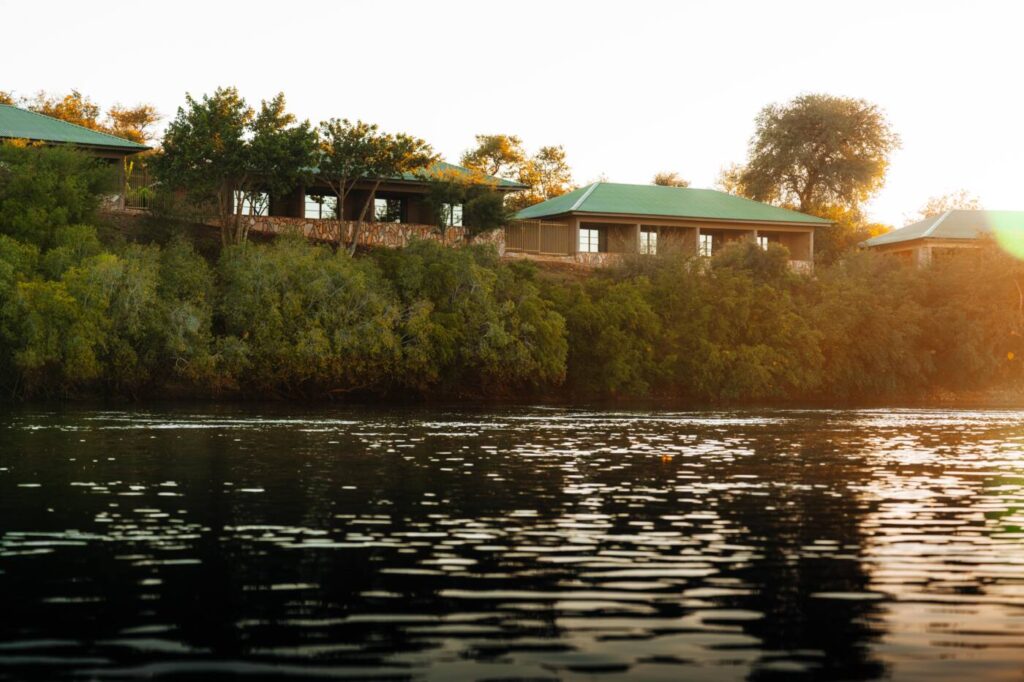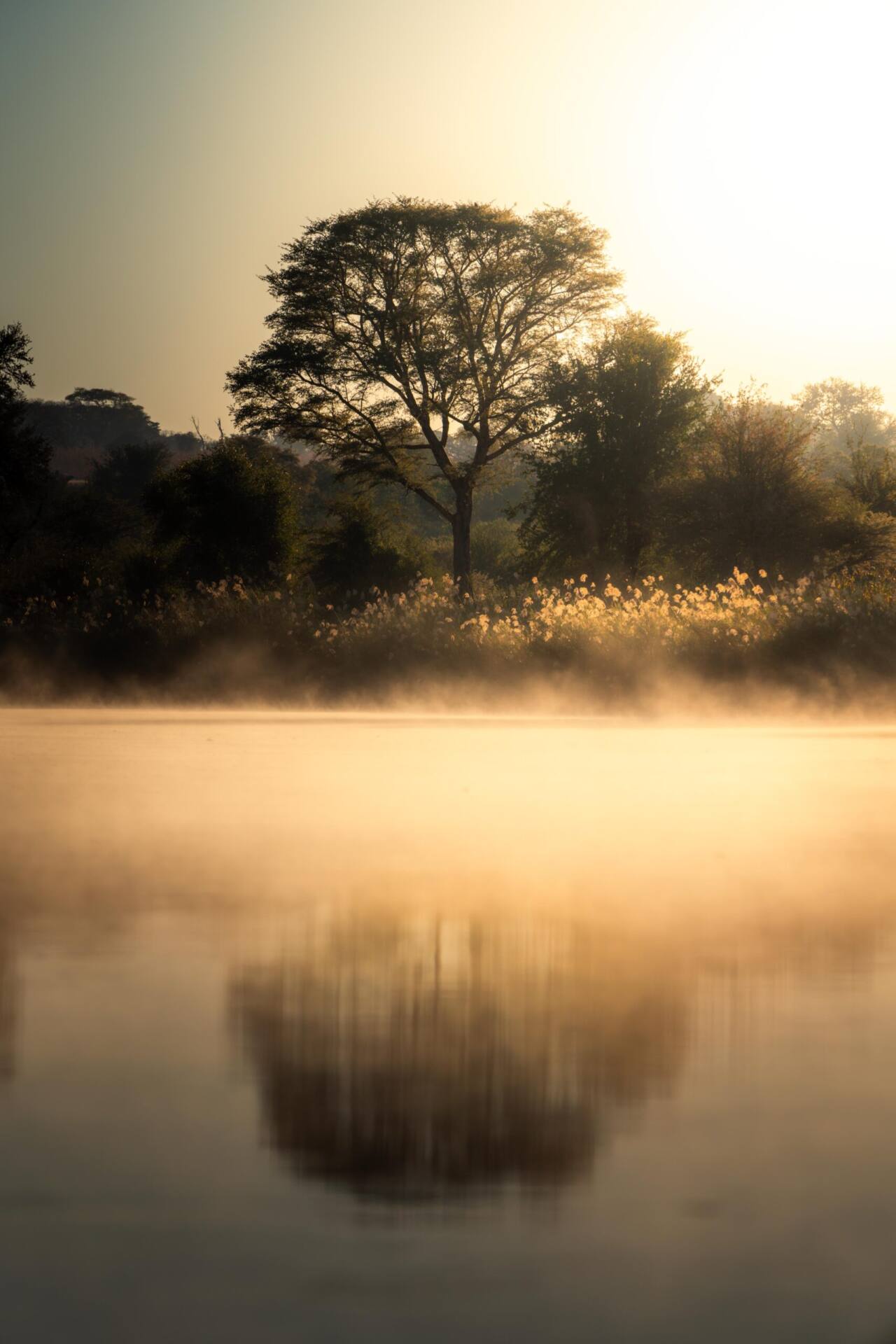
The Kavango River is not only a place of fish and birds. For centuries it has been home to the Kavango people, whose kingdoms, crafts and daily rhythms are still closely tied to the river. Understanding a little of that culture makes any visit to Nkurenkuru richer.
- KingdomsFive, each led by a hompa
- Local kingdomUukwangali, capital Nkurenkuru
- LanguageRuKwangali
- Staple foodMahangu (pearl millet)
The five Kavango kingdoms
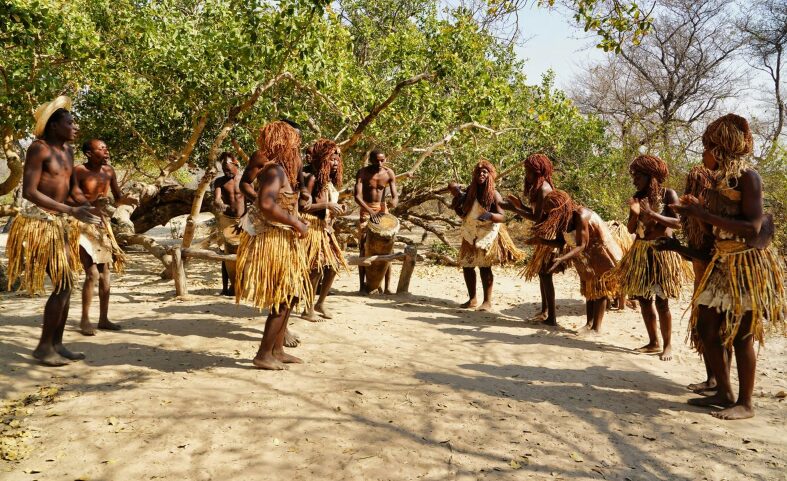
According to Wikipedia, the Kavango people are divided into five traditional kingdoms: Kwangali, Mbunza, Shambyu, Gciriku and Mbukushu. Each is headed by a hompa or fumu, both meaning king. Each kingdom has its own language, although RuKwangali is the most widely spoken in the west. Most Kavango people live along the river, with only about a fifth living in the dry interior.
Uukwangali, the kingdom of Nkurenkuru
Nkurenkuru is the capital of Uukwangali, the westernmost of the Kavango kingdoms. Its recorded line of rulers reaches back to Queen Mate I around 1750. Notable rulers include King Sikongo, who reigned from 1833 to 1870, and Queen Kanuni, who ruled twice, from 1926 to 1941 and again from 1958 to 1971. King Eugene Siwombe Kudumo has reigned since 2015.
The town’s long history as a royal seat is one reason Nkurenkuru became the capital of the Kavango West region in 2013. For more on the town’s past, from the Finnish mission of 1929 to the colonial era, see our guide to things to do in Nkurenkuru.
Photo to add: a respectful image related to the Uukwangali royal homestead or a traditional ceremony, used with permission (landscape).
Life on the river
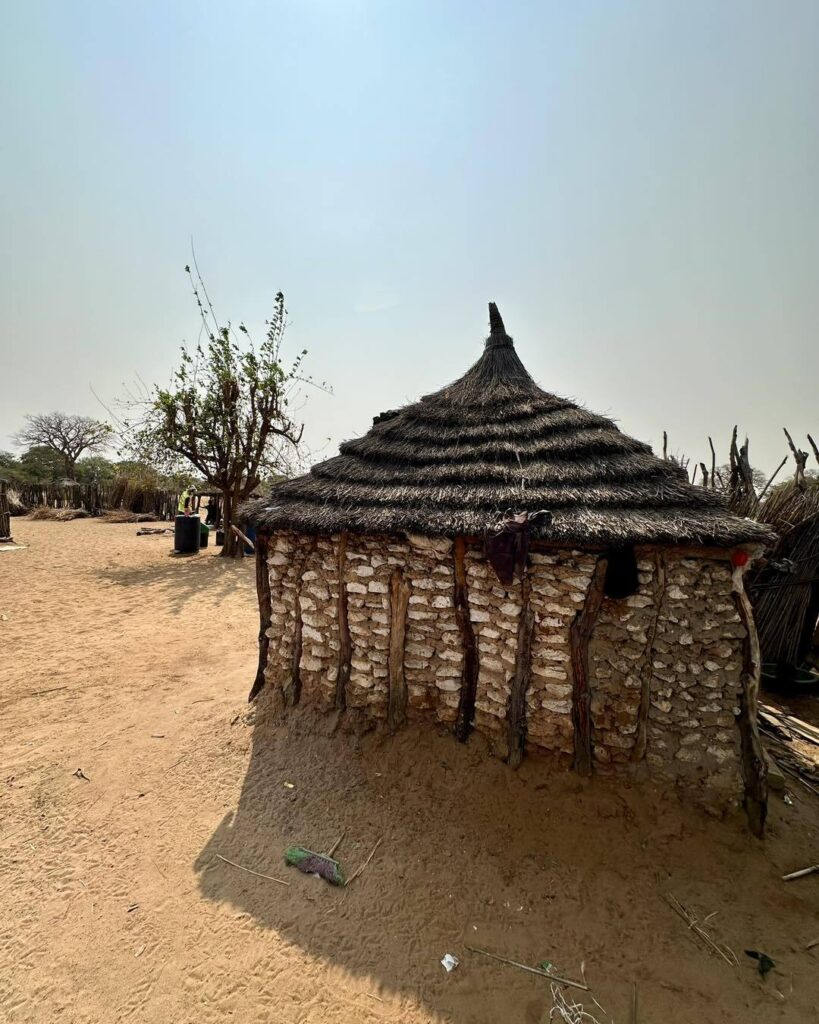
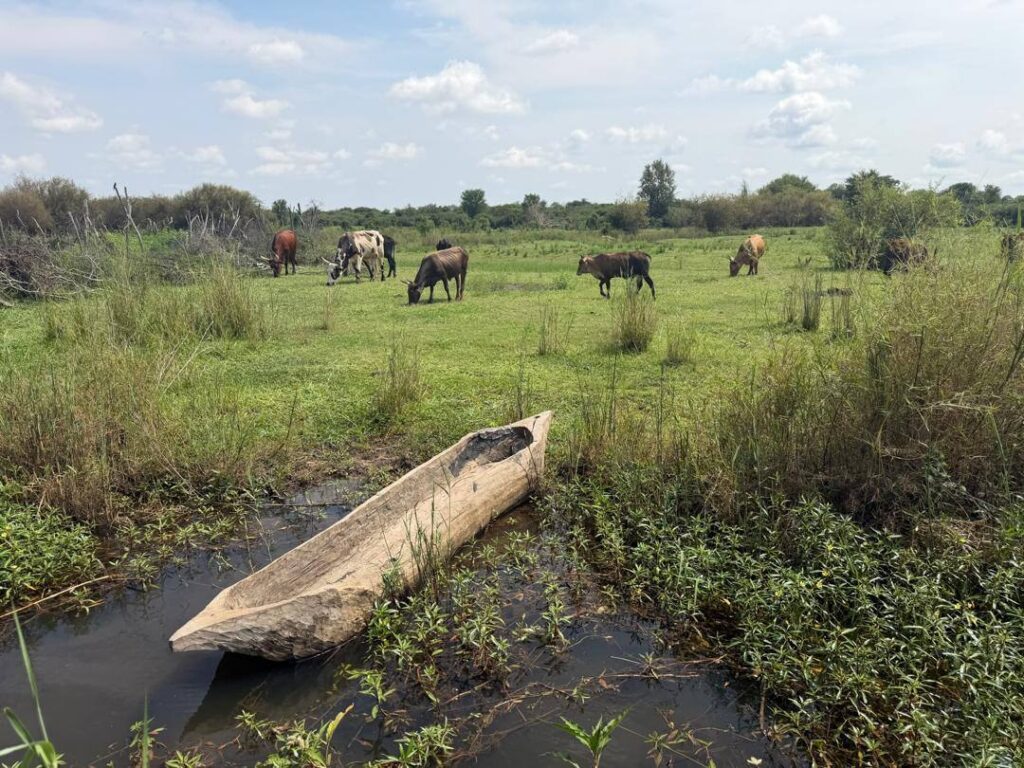
Traditional livelihoods along the Kavango are based on fishing, keeping livestock and growing crops, above all mahangu, or pearl millet. Mahangu is the staple food, pounded into flour for porridge, and is also used to make a fermented drink. Along the river you will still see fishermen in dugout canoes, cattle grazing on the floodplain and fields of mahangu around homesteads of reed and thatch.
Traditional crafts
Kavango crafts grew out of everyday needs, and many skills are still practised today. The Gondwana Collection describes several that are demonstrated at the Mbunza Living Museum:
- Basket weaving, traditionally a skill women use to show their ability.
- Reed mats, made by men for their in-laws and for their own homes.
- Pottery, with clay items heated at the fire to strengthen them.
- Leatherwork, with hides softened using oil from manketti nuts.
- Blacksmithing, along with traditional musical instruments such as the mouth-bow and thumb piano.
Woodcarving is also strongly associated with the region, and you will find carved bowls, masks and figures at markets and roadside stalls. When you buy, buy directly from the maker wherever you can.
Photo to add: local crafts such as baskets or woodcarvings, ideally made by people from the Nkurenkuru community (landscape).
Visit the Mbunza Living Museum
About 15 km west of Rundu, on the road from Nkurenkuru, the Mbunza Living Museum recreates a traditional Mbunza village built from natural materials beside Samsitu Lake. Community members show visitors how life was lived before modern times, from cracking manketti nuts and pounding mahangu to crafts, medicinal plants, music and dance. It is easy to combine with a drive between Simanya and Rundu, as described in our northern Namibia itinerary.
Mission history
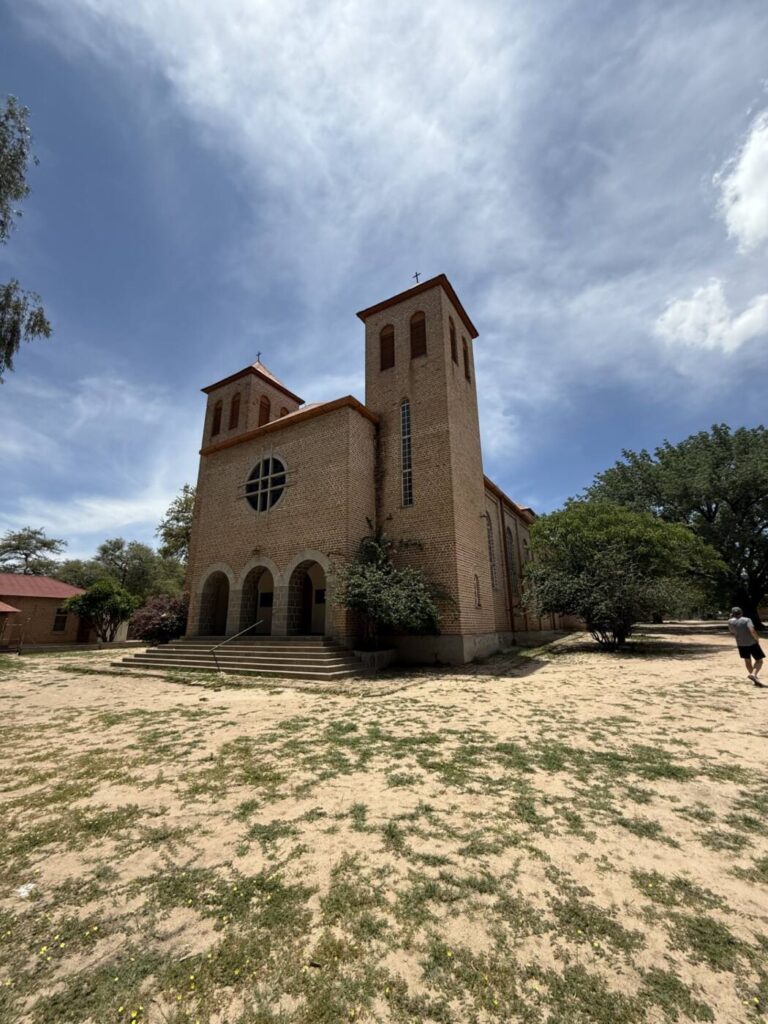
Missions have played a large part in Kavango life for about a century. Near Nkurenkuru, Tondoro Mission was founded in 1927 and still runs a girls’ hostel and a clinic, serving 35 communities along the river. Its church is one of the most striking buildings in the region.
Visiting respectfully
- Go with a local guide. They will introduce you, explain customs and make sure visits benefit the community.
- Greet people first. A greeting and a smile go a long way. Learn a word or two of RuKwangali if you can.
- Ask before taking photographs, especially of people and homes, and respect a no.
- Dress modestly in villages and at the mission.
- Buy crafts directly from the people who make them, and do not hand out sweets or money to children.
Cultural experiences at Simanya
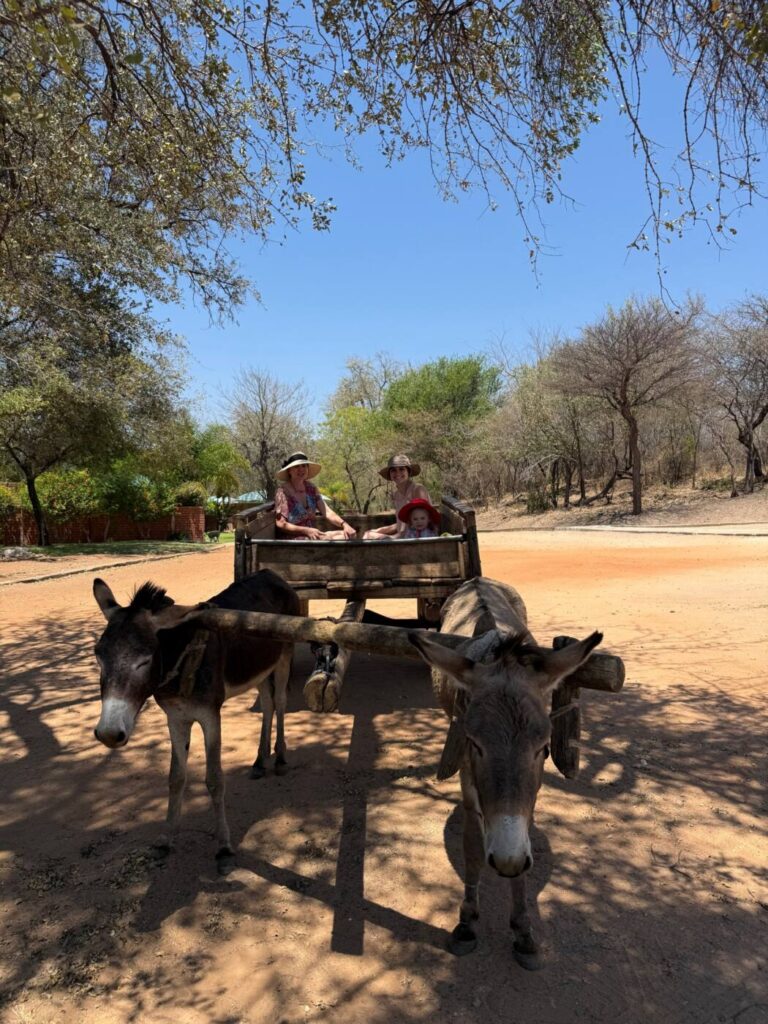
Simanya can arrange guided village tours, traditional dance performances, visits to Tondoro Mission and donkey cart rides with members of the local community. See our activities or contact us to plan a cultural visit.
Frequently asked questions
What are the five Kavango kingdoms?
The Kavango people are divided into five traditional kingdoms: Kwangali, Mbunza, Shambyu, Gciriku and Mbukushu, each headed by a hompa or fumu (king).
What language is spoken in Nkurenkuru?
RuKwangali is the main local language in Nkurenkuru and western Kavango. English is Namibia’s official language and is widely understood.
What is mahangu?
Mahangu is pearl millet, the staple crop of the Kavango region. It is pounded into flour for porridge and is also used to make a fermented drink.
Where can I learn about traditional Kavango life?
The Mbunza Living Museum, about 15 km west of Rundu, demonstrates traditional crafts, cooking, music and dance. Simanya can also arrange guided village tours near Nkurenkuru.
Sources
- Kavango people, Wikipedia.
- Uukwangali, Wikipedia.
- Nkurenkuru, Wikipedia.
- Tondoro, Wikipedia.
- Visit the Mbunza Living Museum, Gondwana Collection.
- Mbunza Living Museum, Info Namibia.