Where the Kavango River meets the dry Kalahari woodland, birds from two very different worlds share the same few kilometres. For birders, that makes the river around Nkurenkuru one of the most rewarding and least crowded corners of northern Namibia.
This guide covers the habitats to explore, the special birds to look for, the best season and how to make the most of a birding stay at Simanya River Lodge.
- Species recorded288 in the Rundu area
- Best seasonNovember to April
- Best times of dayFirst light and late afternoon
- BringBinoculars and a field guide
Why the Kavango is so good for birds
The checklist for the Rundu area on Exotic Birding lists 288 species, a remarkable total for a region surrounded by dry woodland. The reason is variety. Within a short walk or boat ride of the lodge you can move between open water, reed beds and papyrus, sandbanks, seasonally flooded grassland, riverine forest and Kalahari sand woodland. Each habitat holds its own set of birds, and the river draws in species that would never otherwise reach this part of Namibia.
Habitats to explore
The river and its reed beds
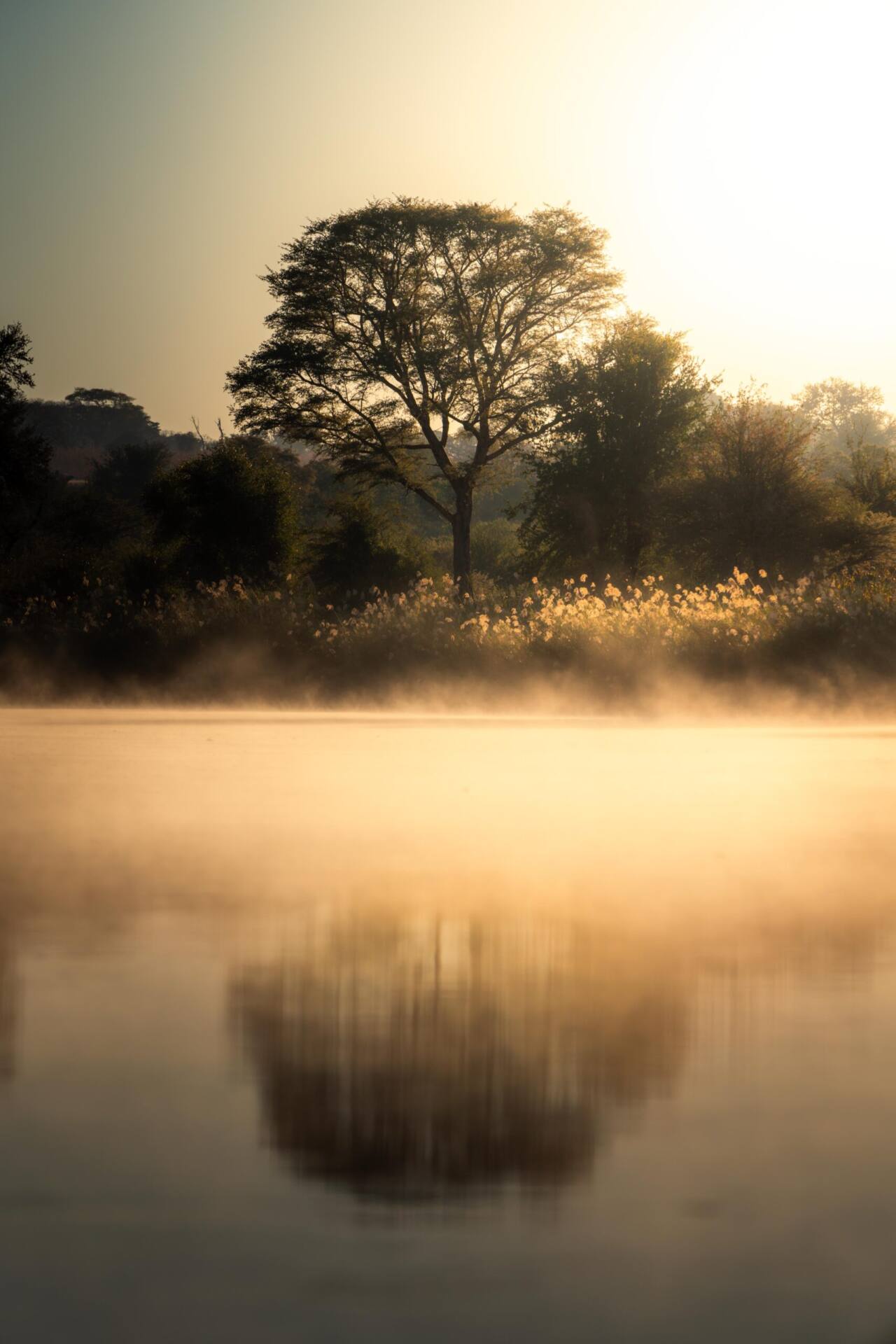
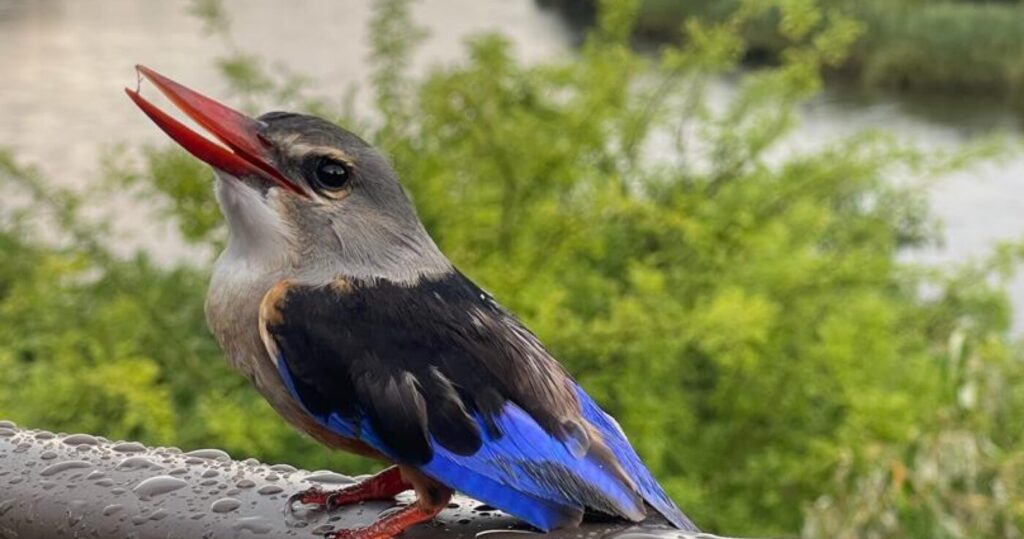
A slow boat trip is the best way to see the river birds. Watch for African Fish Eagles on prominent perches, kingfishers hunting from the reeds, herons and egrets working the shallows, and African Jacanas walking across floating vegetation. A sunset cruise or a quiet makoro trip lets you get close without disturbing them.
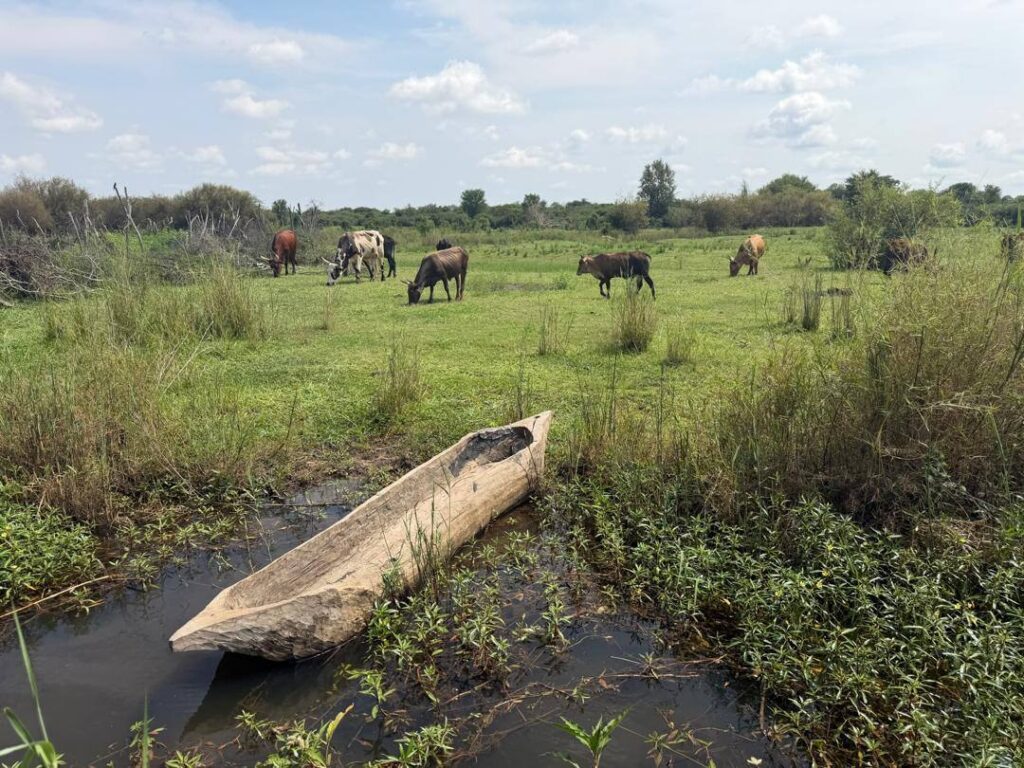
Sandbanks and the floodplain
As the river drops through the dry season, sandbanks and muddy edges appear. These attract waders, plovers and terns, and they are worth scanning carefully for migrant shorebirds such as the Curlew Sandpiper, which is listed as Near Threatened. The grassy floodplain is good for widowbirds, bishops and other seedeaters, especially in summer when the males are in breeding plumage.
Riverine forest
The tall trees along the riverbank hold barbets, robin-chats, weavers and coucals. This is also the habitat of the Pel’s Fishing Owl, one of Africa’s most sought-after birds. It roosts in dense riverine trees by day and hunts fish at night. Sightings are never guaranteed, but it is worth asking your guide.
Kalahari woodland
Away from the river, the woodland on deep Kalahari sand supports a different community: hornbills, rollers, shrikes, sunbirds and raptors. A guided walk or a drive along quiet village tracks is the best way to explore it.
Photo to add: an African Fish Eagle or bee-eaters photographed on the river at Simanya (landscape).
Special birds to look for
Exotic Birding highlights these species as specials of the Rundu area, either because they have a restricted range in Namibia or because they are of conservation concern.
- Red-necked Spurfowl: a restricted-range gamebird of thickets and river edges, often heard calling at dawn.
- Burchell’s Coucal: a large, heavy-billed coucal of reed beds and riverine thickets, known for its bubbling call.
- Spectacled Weaver: a restricted-range weaver of dense riverside vegetation.
- White-winged Widowbird: a grassland species, at its best in breeding plumage in summer.
- Brown-backed Honeybird: an easily overlooked, restricted-range species of woodland edges.
- Kori Bustard: the world’s heaviest flying bird, listed as Near Threatened.
- Bateleur and Martial Eagle: both listed as Endangered, and a highlight whenever they soar overhead.
- Tawny Eagle: listed as Vulnerable, often seen over open woodland.
When to go birding
Birding is good all year, but the summer months from November to April are the richest. The rains bring a flush of insects and seeds, many resident birds are breeding, and migrants arrive from Europe, Asia and other parts of Africa. The landscape is green and the birds are at their most colourful and vocal.
The dry winter months from May to October have their own advantages. Vegetation is thinner, making birds easier to see, and the falling river exposes sandbanks for waders. See our month-by-month guide for weather and river levels through the year.
Tips for birding on the Kavango
- Start early. Birds are most active in the first two hours after sunrise, especially in the hot months.
- Use the boat. Many river birds tolerate a slow, quiet boat far better than a person on foot.
- Bring a field guide or app. A southern African field guide covers almost everything you will see.
- Keep a list. Logging your sightings on a platform such as eBird helps build a picture of the region’s birds.
- Respect the river. Crocodiles and hippos live in the Kavango, so stay with your guide near the water’s edge.
Birding at Simanya River Lodge
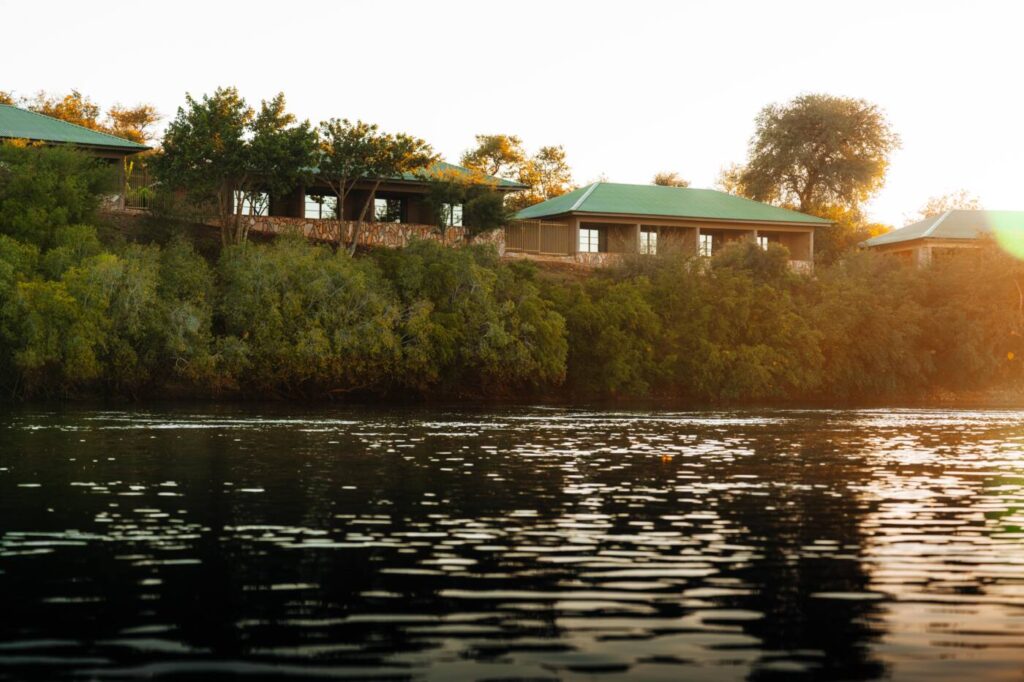
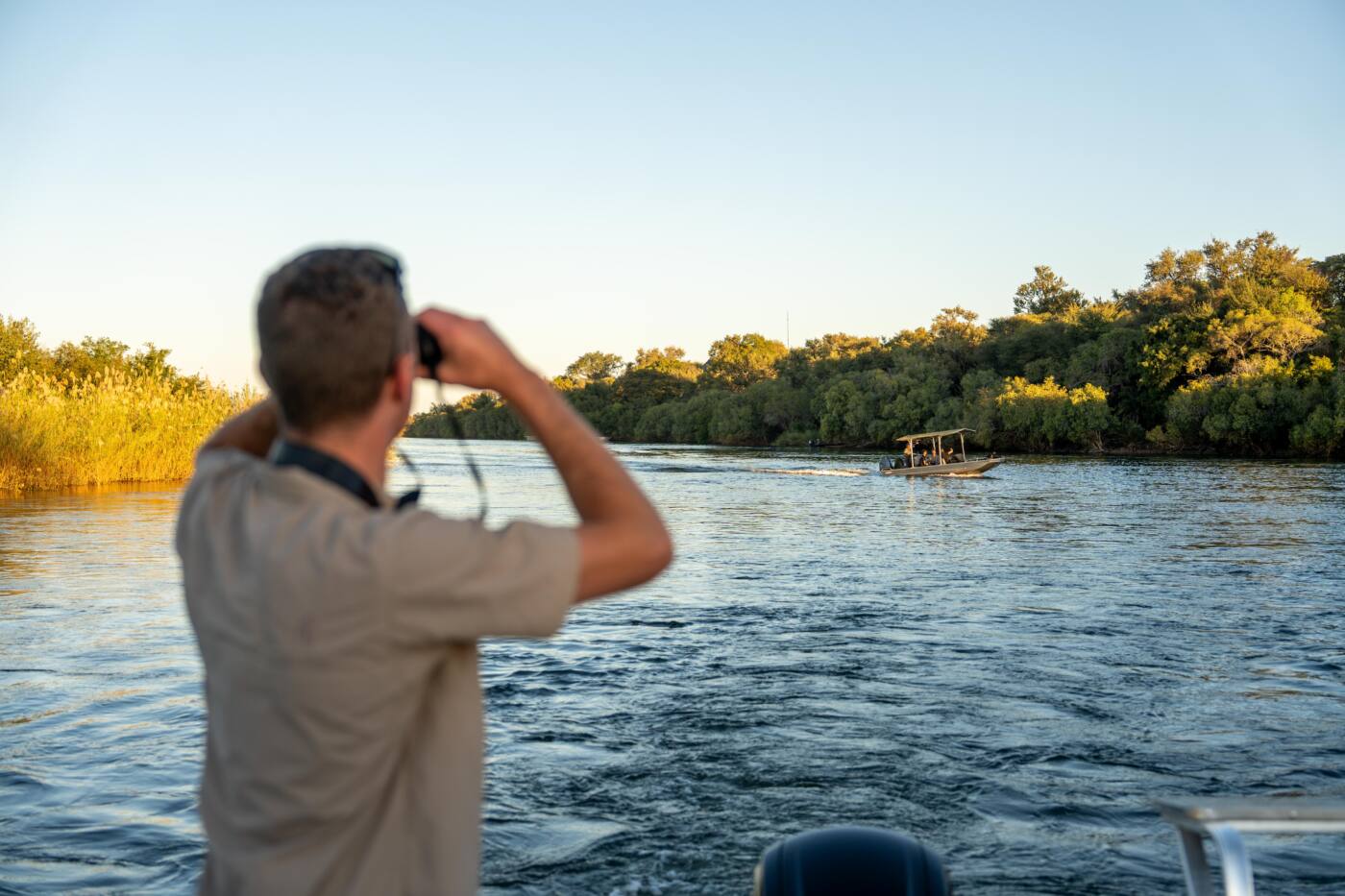
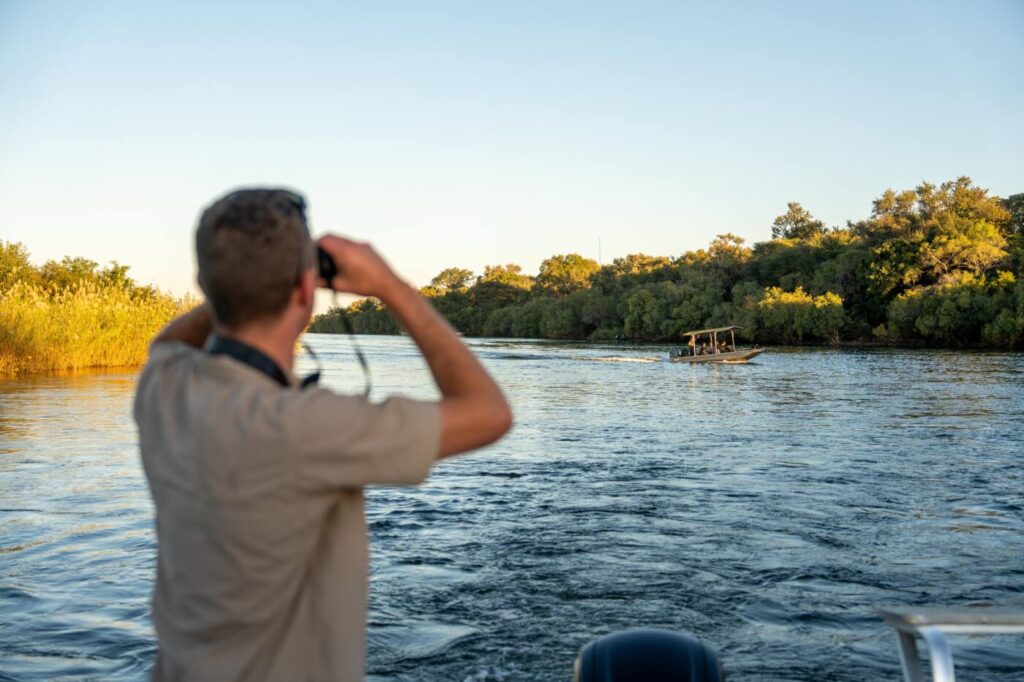
Simanya sits right on the riverbank, so the birding starts on your balcony. Join a sunset cruise or a makoro trip, walk the floodplain with a guide, or simply sit on the deck with binoculars and a cold drink. Explore our activities, read our guide to things to do in Nkurenkuru, or contact us to plan a birding stay.
Photo to add: guests birdwatching from the Simanya deck or boat at sunrise (landscape).
Frequently asked questions
How many bird species are found on the Kavango River?
Around 288 bird species have been recorded in the Rundu area of the Kavango River, thanks to the mix of river, reed beds, floodplain, riverine forest and Kalahari woodland.
When is the best time for birding in Kavango?
November to April is the richest period, with summer migrants present and many birds breeding. The dry season from May to October makes birds easier to see and exposes sandbanks for waders.
Can you see Pel’s Fishing Owl on the Kavango River?
Pel’s Fishing Owl lives in dense riverine forest along the Kavango and hunts fish at night. It is elusive and sightings are never guaranteed, so ask your guide about recent reports.
What special birds can I see near Rundu and Nkurenkuru?
Regional specials include Red-necked Spurfowl, Burchell’s Coucal, Spectacled Weaver, White-winged Widowbird and Brown-backed Honeybird, plus raptors such as Bateleur, Martial Eagle and Tawny Eagle.
Sources
- Rundu area: special birds, Exotic Birding.
- Rundu: climate, Wikipedia.