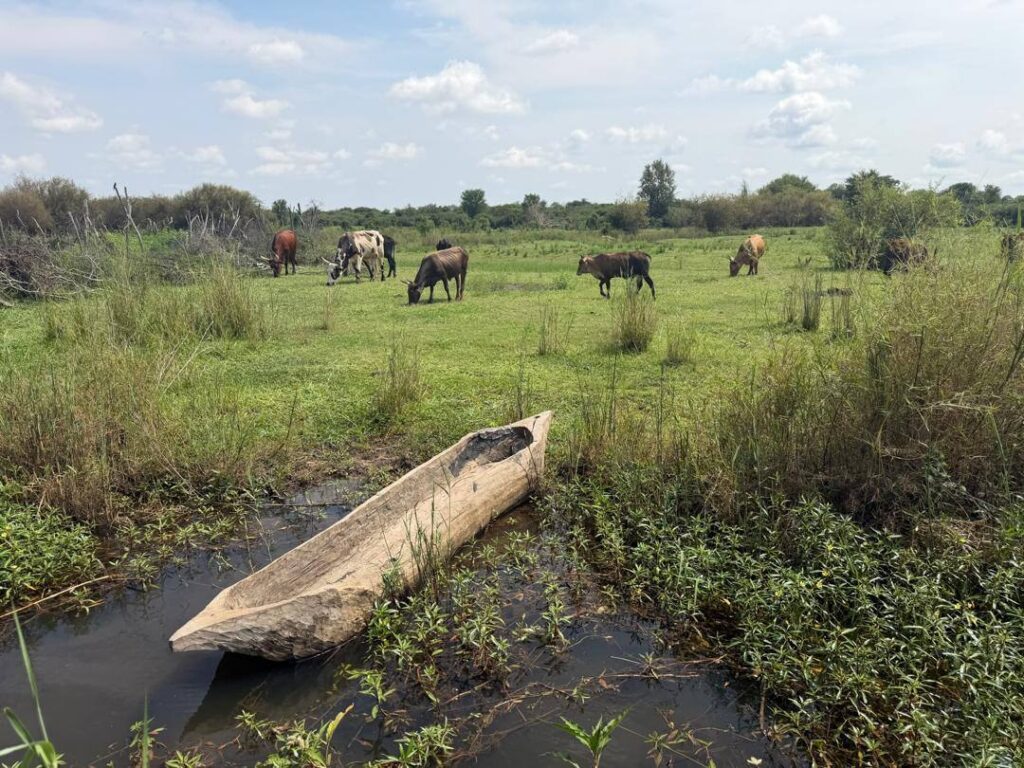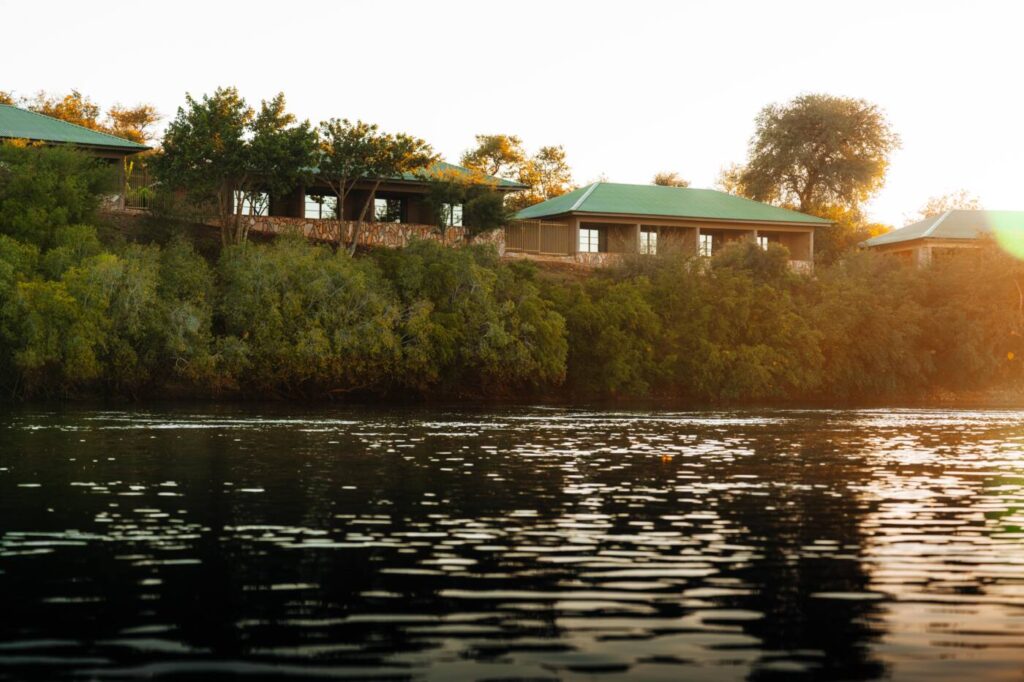
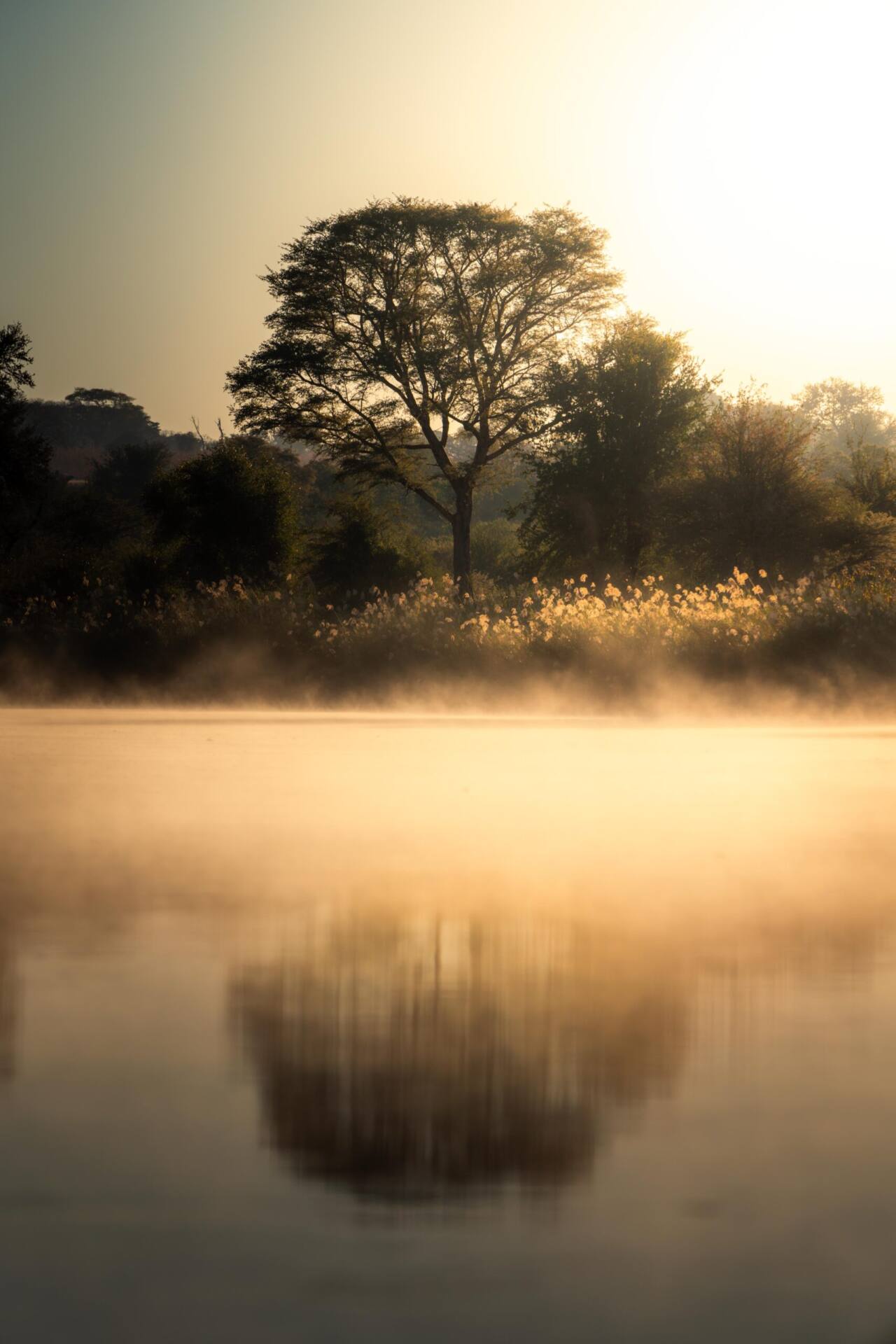
There is no bad time to visit the Kavango River, but each season offers a very different trip. The best time depends on what you want: peak tiger fishing, lush green landscapes and migrant birds, or cool, clear winter days.
This guide explains how the seasons and the river work, then walks through the year month by month.
- Best for fishingJune to December, water levels permitting
- Best for birdingNovember to April
- Coolest monthsJune and July
- Wettest monthsJanuary and February
How the seasons work on the Kavango
Kavango West has a hot, semi-arid climate with a single rainy season. Climate data for nearby Rundu on Wikipedia shows about 570 mm of rain a year, almost all of it falling between November and March. Winter, from May to August, is dry, sunny and pleasantly warm by day, with cold nights. September and October are the hottest months, before the rains break.
The river follows its own timetable. The Kavango is fed mainly by rain in the Angolan highlands, so the flood arrives in Namibia weeks after the rains begin. According to a hydrology study of the Okavango Basin by Steudel and colleagues (2013), the river at Rundu typically peaks in April at around 390 cubic metres per second and drops to its lowest in October, at under 40. That means the river is high and full in late summer and autumn, and low and clear by late winter and spring.
The Kavango River month by month
Temperatures are average daily highs and lows for Rundu, and rainfall is the monthly average, from Wikipedia. River levels are approximate and vary from year to year.
| Month | High / low | Rain | River | Highlights |
|---|---|---|---|---|
| January | 31 / 19 °C | 151 mm | Rising | Green season, migrant birds, afternoon storms |
| February | 30 / 19 °C | 134 mm | Rising | Lush landscapes, breeding birds |
| March | 30 / 18 °C | 91 mm | High | Rains easing, full river |
| April | 29 / 15 °C | 32 mm | Peak flow | Green, quiet, great light |
| May | 29 / 10 °C | 4 mm | High, falling | Dry season begins, clear skies |
| June | 26 / 6 °C | 0 mm | Falling | Cool nights, fishing season starts |
| July | 26 / 6 °C | 0 mm | Falling | Coolest month, sunny days |
| August | 30 / 9 °C | 0 mm | Dropping | Warming water, good fishing |
| September | 33 / 14 °C | 2 mm | Low | Good fishing; check boat access |
| October | 35 / 18 °C | 19 mm | Lowest | Hottest month; lowest water |
| November | 33 / 19 °C | 59 mm | Low | First rains, migrants arrive |
| December | 32 / 19 °C | 79 mm | Low, starting to rise | Festive season, greening bush |
January to March: the green season
The rains turn the bush and floodplain a vivid green. Storms usually build in the afternoon and clear by evening, leaving dramatic skies and fresh air. This is the best time for birding, with summer migrants present and many species breeding. The river rises steadily as the Angolan floodwater arrives, so fishing is less predictable.
April and May: the full river
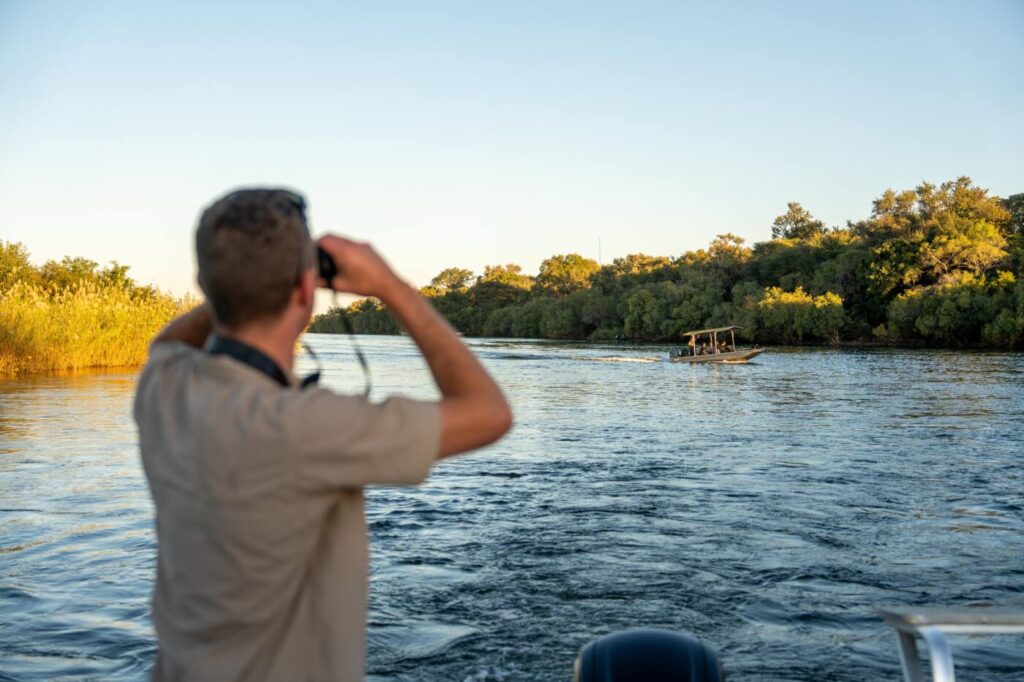
The rains taper off, the river reaches its peak and the landscape is still green. Days are warm and nights begin to cool. It is a quiet, beautiful time for cruises and photography.
June to August: cool, dry winter
Clear blue skies and warm afternoons make winter a lovely time to travel, and it coincides with Namibian school holidays. Nights can drop to around 6 °C, so pack a warm jacket for early mornings on the boat. As the water drops and clears, the tiger fishing season gets going. For more on the fishing seasons, see our tiger fishing guide.
Photo to add: a winter morning on the river, with mist or a clear blue sky (landscape).
September to November: peak fishing, hot days
The river is at its lowest and warmest and the tigerfish are at their most active, which makes this the favourite season for many anglers. At Simanya, though, the river can drop too low for boats in very dry years from about September to December, so check with the team before booking a fishing-focused stay. October is the hottest month, with average highs of around 35 °C, so plan activities for the early morning and late afternoon, and enjoy the pool in between. The first rains usually arrive in November, bringing relief from the heat and the first migrant birds.
December: the festive season
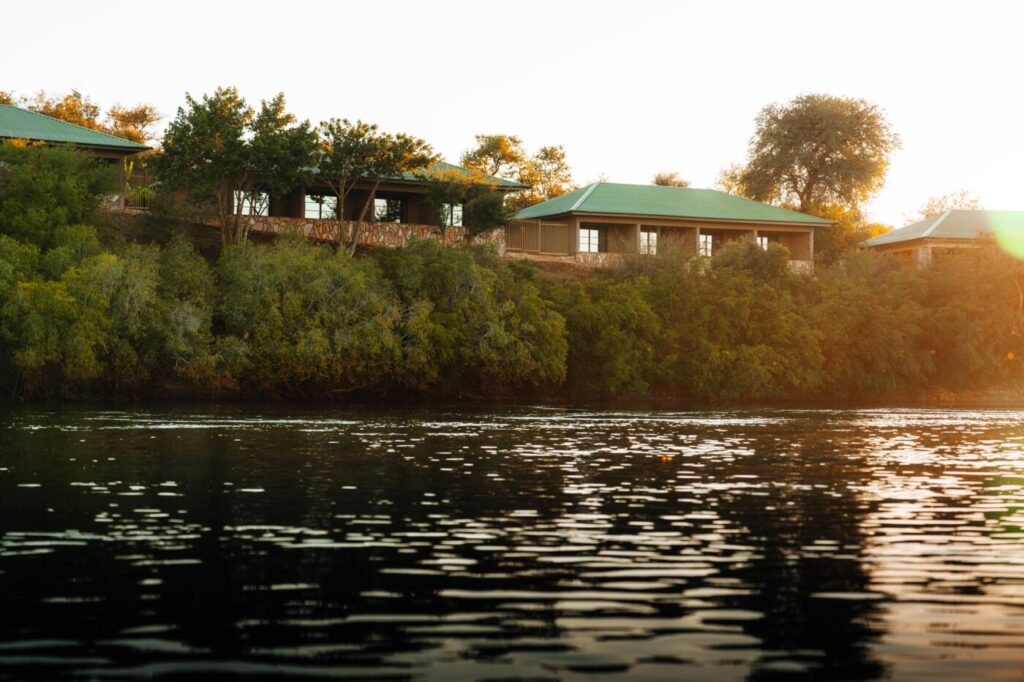
The bush turns green again, fishing is often still good and the river begins its slow rise. December is a popular month for family holidays, so book early.
What to pack
- All year: a wide-brimmed hat, sunscreen, polarised sunglasses, insect repellent and binoculars.
- Winter (May to August): a warm jacket and layers for cold mornings and evenings.
- Summer (November to March): light, breathable clothing and a light rain jacket.
- Health: the Kavango is in a malaria area, with higher risk during the rainy season. Speak to a doctor or travel clinic about prevention before you travel.
Plan your stay at Simanya
Whenever you come, Simanya River Lodge puts you right on the river, with activities to match the season. See our activities, our guide to things to do in Nkurenkuru and our road trip guide, then contact us to check availability.
Frequently asked questions
What is the best time to visit the Kavango River?
It depends on your interests. June to December is best for tiger fishing, November to April for birding and green landscapes, and June to August for cool, dry and sunny weather.
When is the rainy season on the Kavango River?
Most rain falls between November and March, with January and February the wettest months. May to October is almost completely dry.
When is the Kavango River at its highest?
The river rises from January as floodwater arrives from Angola, typically peaks in April, and falls to its lowest level around October.
How cold does it get in winter in Kavango?
Winter days are warm, around 26 °C in June and July, but nights can drop to around 6 °C, so pack a warm jacket.
Sources
- Rundu: climate data, Wikipedia.
- Okavango Basin: Hydrology, Steudel et al., Biodiversity & Ecology 5, 2013.
- Northeastern Namibia: an angler’s paradise, Allgemeine Zeitung, 22 June 2018.